Luis NAVIA
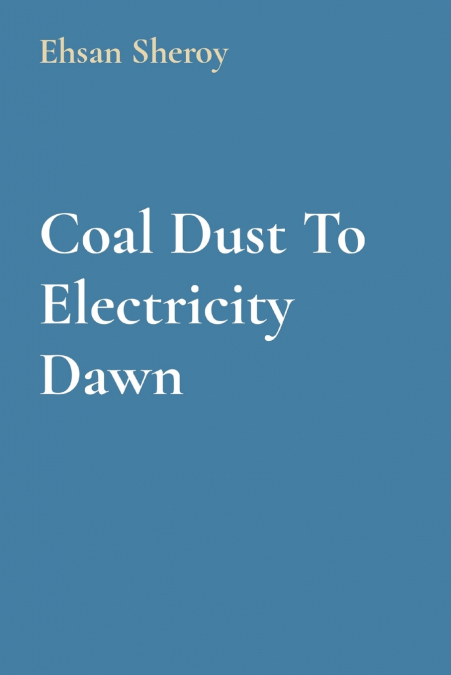
THE COUNTRY THAT PLANS ITS ELECTRICITY, WRITES ITS FUTURE WITH PROGRESS AND WELL-BEING, WITHOUT FEAR OF THE DARKNESSIn the event of a prolonged blackout, the country’s military defense capabilities could be compromised, affecting both logistics and operational response. Furthermore, the civilian population would also suffer the consequences: prolonged power outages in hospitals, disruptions to the supply of drinking water, telecommunications, and essential services. Electricity is more than just a basic service; it constitutes the backbone of the modern economy and the silent support of social life. A massive blackout not only darkens streets and homes; it disrupts education, weakens production, paralyzes hospitals, military defense and erodes trust in institutions. The cost of energy, measured in kilowatt-hours, reflects not only the price of a commodity but also a country’s ability to offer well-being and a future to its citizens. Therefore, reducing the cost of electricity and ensuring a reliable supply become strategic priorities. This book presents the main policies that, from an economic and social perspective, allow progress toward a fairer, efficient, and sustainable energy model.*** ESPAÑOL ***EL PAIS QUE PLANIFICA SU LUZ, ESCRIBE SU FUTURO CON PROGRESO Y BIENESTAR, SIN TEMOR A LA OSCURIDADEn caso de un apagón prolongado, el país podría ver afectada su capacidad defensiva militar, tanto en términos de logística como de respuesta operativa. Además, la población civil también sufriría las consecuencias: cortes prolongados en hospitales, interrupciones en el suministro de agua potable, telecomunicaciones y servicios esenciales. La electricidad es mucho más que un servicio básico: constituye la columna vertebral de la economía moderna y el sostén silencioso de la vida social. Un apagón masivo no solo oscurece las calles y los hogares; interrumpe la educación, debilita la producción, paraliza hospitales y erosiona la confianza en las instituciones. El costo de la energía, medido en kilovatios-hora, refleja no solo el precio de una mercancía, sino también la capacidad de un país para ofrecer bienestar y futuro a sus ciudadanos. Por ello, reducir el costo de la electricidad y garantizar un suministro confiable se convierte en una prioridad estratégica. En este libro, se presentan las principales políticas que, desde la perspectiva económica y social, permiten avanzar hacia un modelo energético más justo, eficiente y sostenible.