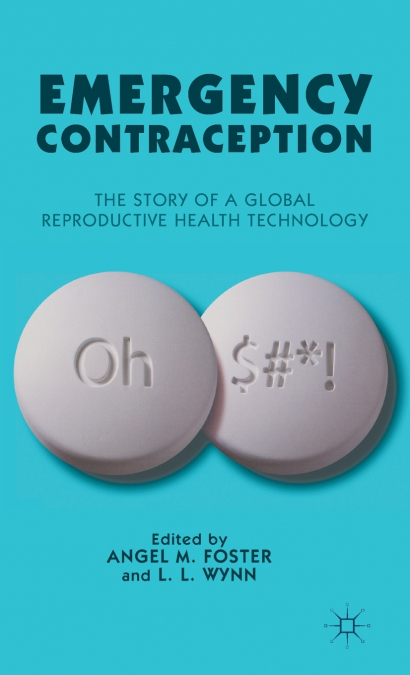
Globally, more than one fourth of all pregnancies are unintended. Emergency contraceptives are medications or devices that can be used after sex to reduce the risk of pregnancy. But despite their safety and efficacy, emergency contraceptive pills have sparked controversy worldwide. In examining the journey of emergency contraceptive pills in 14 countries and contexts, this volume explores the ways that a global reproductive health technology is inflected with local cultural meaning and simultaneously influenced by transcendent challenges that condition its introduction. These portraits of activism and opposition highlight the range of social, cultural, religious, and political contexts that shape the interpretation of new medical technologies.