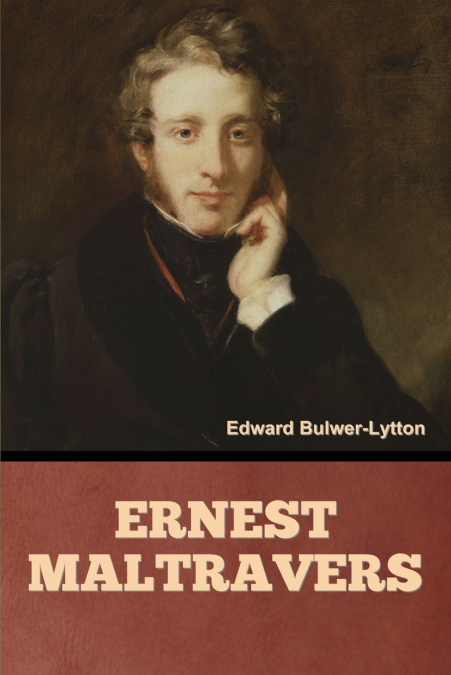
Edward Bulwer-Lytton
Ernest Maltravers is a novel by Edward Bulwer-Lytton, first published in 1837. It follows the life of Ernest Maltravers, a gifted and idealistic young man who seeks knowledge, love, and personal fulfillment. The story explores his intellectual growth as he travels through different stages of life, facing challenges that shape his character. Bulwer-Lytton combines romance, philosophy, and social commentary to examine the relationship between ambition, morality, and human nature.One of the central themes of the novel is self-discovery. Ernest’s experiences with love, friendship, and disappointment teach him valuable lessons about responsibility and maturity. His relationships with other characters, especially Alice Darvil, reveal the importance of compassion, loyalty, and emotional growth. Through Ernest’s struggles, the novel suggests that true wisdom comes not only from education but also from life’s experiences.Bulwer-Lytton’s writing is known for its rich descriptions, thoughtful reflections, and detailed character development. Although the novel reflects the values and literary style of the Victorian era, its themes of personal growth, the search for purpose, and the conflict between ideals and reality remain relevant. Ernest Maltravers is regarded as an important work in nineteenth-century English literature and continues to be appreciated for its blend of romance, philosophy, and social insight.About the AuthorEdward Bulwer-Lytton (1803-1873) was an English novelist, poet, playwright, and politician during the Victorian era. Born on May 25, 1803, in London, he studied at the University of Cambridge and developed a passion for writing at a young age. Throughout his career, he became one of the most popular and influential authors of the 19th century, known for his imaginative storytelling and dramatic style.Bulwer-Lytton wrote many successful novels, including The Last Days of Pompeii, Rienzi, and Zanoni. He is also remembered for introducing famous phrases into the English language, such as 'the pen is mightier than the sword' and the opening line, 'It was a dark and stormy night.' In addition to writing, he served as a member of the British Parliament and later became Secretary of State for the Colonies, balancing a literary career with public service.Edward Bulwer-Lytton’s works explored themes of history, mystery, romance, and politics, earning him widespread fame during his lifetime. Although some critics later viewed his writing style as overly dramatic, his influence on literature remains significant. He died on January 18, 1873, but his novels, plays, and memorable quotations continue to be studied and appreciated today.A lasting part of Edward Bulwer-Lytton’s legacy is his impact on literature and popular culture. The annual Bulwer-Lytton Fiction Contest, founded in 1982, humorously celebrates intentionally bad opening sentences inspired by his famous line, 'It was a dark and stormy night.' Despite this lighthearted contest, Bulwer-Lytton remains an important literary figure whose historical novels, memorable quotations, and contributions to Victorian literature continue to influence writers and readers around the world.