Eternal Virtues

Eternal Virtues

Martin Genter

9,76 €
IVA incluido
Disponible
Editorial:
Martin Genter
Año de edición:
2026
Materia
Ética y filosofía moral
ISBN:
9798233123702
9,76 €
IVA incluido
Disponible
Añadir a favoritos

What kind of person must we become to be trusted with freedom and fire?We have built a civilization of extraordinary power. We can command machines, manipulate attention, cross oceans in hours, summon nearly the whole record of human knowledge from a screen, and place increasingly powerful artificial intelligence into the hands of ordinary people.But power does not form character.In Eternal Virtues, Martin Genter returns to an older question: What qualities must a human being cultivate in order to use freedom, ambition, technology, love, money, influence, and suffering without being mastered by them?The answer is not another collection of inspirational quotations. It is formation.Twelve virtues form the architecture of the book: Truth, Attention, Judgment, Courage, Endurance, Temperance, Justice, Mercy, Love, Excellence, Stewardship, and Gratitude.They are organized around four great disciplines: see truly, step bravely, remain human, and build worthily.Drawing from ancient Greek philosophy and tragedy, Christianity, Judaism, Buddhism, Confucian thought, history, psychology, science, habit formation, civic life, and personal experience, Genter searches for the places where civilizations separated by centuries nevertheless discovered something enduring about human character.But convergence does not mean sameness. The traditions are allowed to disagree.And every chapter eventually leaves the library.Each virtue must descend into conduct: a decision, a habit, a conversation, a restraint, a promise, an act of courage, a form of service. Because a virtue admired but never practiced is merely an ornament.Eternal Virtues is therefore both a work of moral philosophy and a field manual for becoming someone others can trust.The defining problem of the coming age may not be whether human beings become powerful enough.We already are.The question is whether we will become wise enough, courageous enough, loving enough, and disciplined enough to carry the fire without burning down the house.
Artículos relacionados

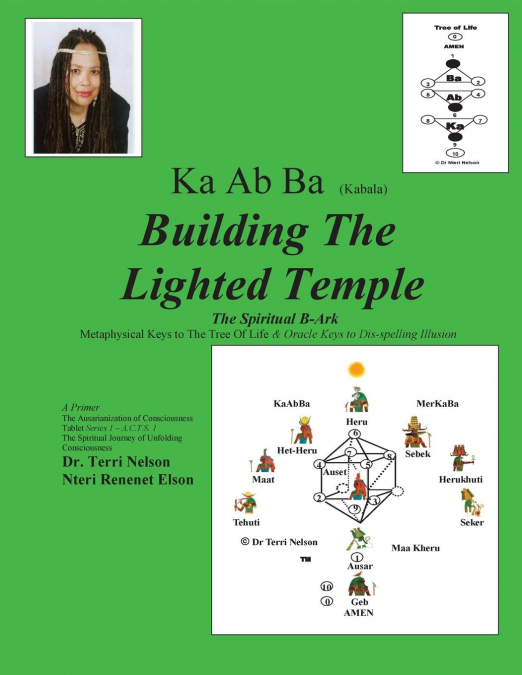
  • Ka Ab Ba Building The Lighted Temple
    Dr Terri R. Nelson / Dr Terri RNelson
    The book KaAbBa Building The Lighted Temple/Metaphysical Keys to the Tree of Life draws a circle that is inclusive of the Afrikan origin of the Ancient Kemetic/Egyptian wisdom. It reveals the undeniable root and link of Ancient Africa to all the religious systems that would develop worldwide. This book is explosive in its power to convey the meaning of KaAbBa, the Medu Neter  (...
    Disponible

    37,41 €

  • Technoethics and the Evolving Knowledge Society
    Rocci Luppicini
    Recently, there has been a major push to rediscover the ethical dimension of technology across the sciences, social sciences, and humanities. Technoethics and the Evolving Knowledge Society: Ethical Issues in Technological Design, Research, Development, and Innovation examines human processes and practices connected to technology embedded within social, political, and moral sph...
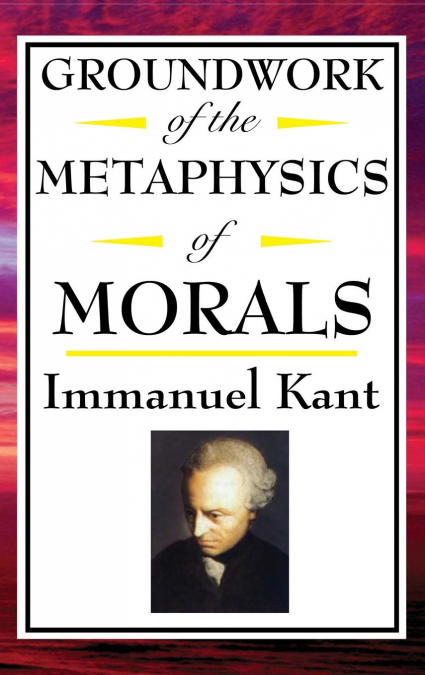
  • Kant
    Immanuel Kant
    Kant’s Groundwork of the Metaphysics of Morals is one of the most important works in modern moral philosophy. It belongs beside Plato, Aristotle, Machiavelli, and Hobbes. Here Kant sets out to articulate and defend the Categorical Imperative - the fundamental principle that underlies moral reasoning - and to lay the foundation for a comprehensive account of justice and human vi...
  • On the Duty of Civil Disobedience
    HENRY DAVID THOREAU
    Civil Disobedience argues that citizens should not permit their governments to overrule their consciences, and that they have a duty to avoid allowing their acquiescence to enable the government to make them the agents of injustice. Thoreau was motivated in part by his disgust with slavery and the Mexican-American War, but the sentiments he expresses here are just as pertinent ...
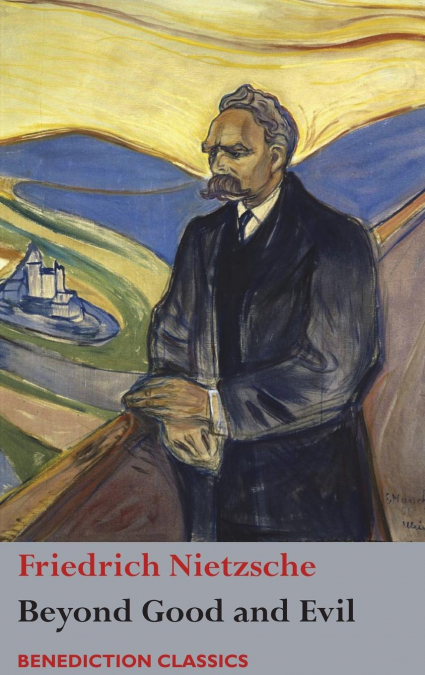
  • Beyond Good and Evil
    Friedrich Nietzsche
    Nietzsche, though primarily a philosopher, wrote widely on art, philology, history, religion, tragedy, culture, and science.  In 1886, at the height of his powers, he published Beyond Good and Evil.  Here he examines much of the best of human thought--dogmatic philosophy, Judeo-Christian morality, science and democracy – and finds it lacking.  Rejecting “slave-morality” he pres...
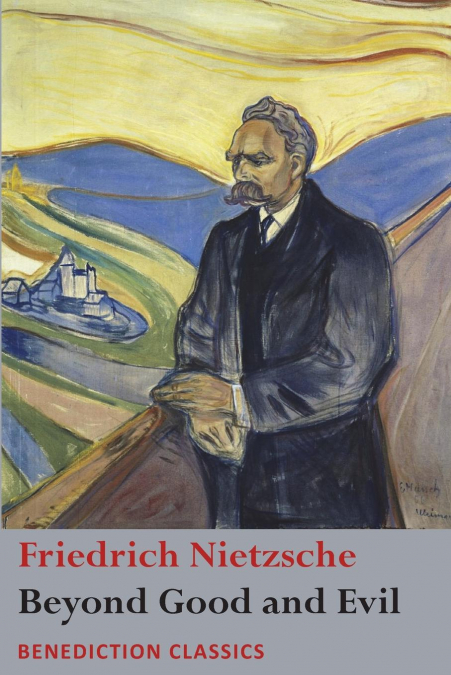
  • Beyond Good and Evil
    Friedrich Nietzsche
    Nietzsche, though primarily a philosopher, wrote widely on art, philology, history, religion, tragedy, culture, and science.  In 1886, at the height of his powers, he published Beyond Good and Evil.  Here he examines much of the best of human thought--dogmatic philosophy, Judeo-Christian morality, science and democracy – and finds it lacking.  Rejecting “slave-morality” he pres...
    Disponible

    9,99 €