Ali YILDIRIM
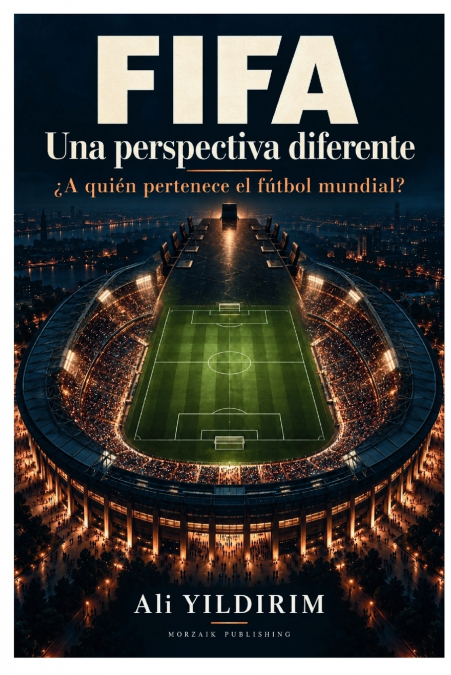
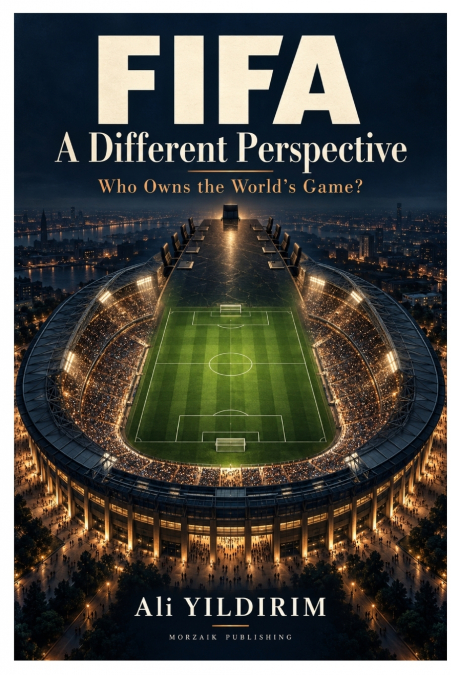
FIFA is more than the organization behind the world’s most popular football tournament. It is a global institution whose decisions reach far beyond the pitch, shaping the business of sport, international relationships, national ambitions, and the experiences of millions of supporters.But how does an organization built around a game become a powerful force in world affairs? Who makes its most consequential decisions? And what happens when the ideals of fair play meet the realities of money, politics, and institutional power?This independent, critical examination takes readers beyond the spectacle of international football to explore the structures, incentives, and controversies surrounding FIFA and the modern game.From the evolution of football governance to the commercial growth of global tournaments, the book considers the forces that have transformed the sport into an international industry. It examines the relationship between sporting institutions and political influence, the role of sponsorship and broadcasting, and the challenges of accountability within organizations that operate across national borders.Readers are invited to consider difficult questions:How is authority distributed within international football?What makes major tournaments economically and politically significant?How do commercial interests affect sporting decisions?Why do transparency, ethics, and governance matter to players and fans?Can an institution protect football’s universal appeal while responding to demands for reform?Rather than treating football as entertainment alone, this book approaches it as a window into contemporary society. The stadium becomes a place where national identity, public opinion, commercial competition, and global influence intersect. Decisions made in meeting rooms can affect host communities, football federations, athletes, businesses, and supporters around the world.The discussion is intended for readers who want to look beneath the headlines and think critically about the institutions behind the sport they love. It offers an accessible perspective for football followers, students of sports management, readers interested in international affairs, and anyone curious about the connection between sport and power.The aim is not to diminish football’s extraordinary ability to bring people together. It is to ask whether the institutions responsible for governing the game consistently live up to the values that make football meaningful: fairness, integrity, opportunity, and trust.As football expands into new markets and reaches new audiences, these questions become increasingly important. Understanding the system behind the matches can change the way we see tournaments, headlines, and the future of the sport itself.Go beyond the final score. Explore the decisions, interests, and debates that shape world football.The book encourages readers to distinguish the public image of a sporting institution from the mechanisms through which it operates. Tournament announcements, leadership elections, commercial agreements, and debates over reform are part of a larger conversation about who benefits from the global game and who bears its costs.For readers accustomed to following results, transfers, and championship drama, this is an opportunity to ask different questions. What does responsible leadership look like in international sport? How should powerful organizations answer to the public? And what can football teach us about the opportunities and contradictions of globalization?Clear in its questions and broad in its perspective, this exploration invites discussion rather than demanding unquestioning agreement.An independent publication. Not affiliated with, endorsed by, or sponsored by FIFA.