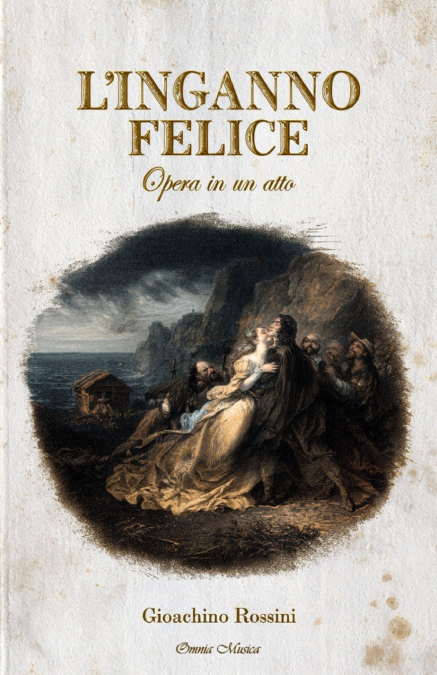
L’inganno felice è una farsa in un atto di Gioachino Rossini su libretto di Giuseppe Maria Foppa, rappresentata per la prima volta a Venezia nel 1812. La vicenda ruota attorno a Isabella, moglie del Duca Bertrando, ingiustamente ripudiata a causa delle calunnie del perfido consigliere Ormondo, il quale, respinto dalla donna, la fa credere infedele. Gettata in mare per ordine del Duca, Isabella sopravvive al naufragio e viene soccorsa dal minatore Tarabotto, che per proteggerla la nasconde sotto le mentite spoglie della nipote Nisa. Dieci anni dopo, il Duca, ancora innamorato e divorato dal rimorso, giunge proprio in quel villaggio accompagnato da Ormondo; Tarabotto, riconosciuto il sovrano, architetta allora un inganno felice per smascherare il colpevole: far leva sulla somiglianza di Nisa con la moglie perduta e spingere il Duca a indagare, esibendo infine un ritratto della vera Isabella.Nell’unico atto l’inganno si compie: messo alle strette dall’evidenza, Ormondo crolla e confessa pubblicamente il proprio crimine, venendo immediatamente arrestato. Isabella e Bertrando si riabbracciano tra la gioia generale, ricomponendo il loro amore infranto. La perfidia del consigliere si trasforma così nel mezzo stesso della riconciliazione, e tutti celebrano la sconfitta della menzogna e la vittoria della fedeltà, inneggiando al 'felice inganno' che ha restituito la felicità ai due sposi.L’inganno felice is a one-act farce by Gioachino Rossini, with a libretto by Giuseppe Maria Foppa, first performed in Venice in 1812. The plot centres on Isabella, wife of Duke Bertrando, who is unjustly repudiated as a result of the slanderous accusations of the wicked counsellor Ormondo; having been rejected by her, he leads her to believe she has been unfaithful. Thrown overboard on the Duke’s orders, Isabella survives the shipwreck and is rescued by the miner Tarabotto, who, to protect her, hides her in the guise of his niece Nisa. Ten years later, the Duke, still in love and consumed by remorse, arrives in that very village accompanied by Ormondo; Tarabotto, having recognised the Duke, then devises a clever ruse to unmask the culprit: he exploits Nisa’s resemblance to his lost wife to prompt the Duke to investigate, finally producing a portrait of the real Isabella.In the single act, the ruse is carried out: cornered by the evidence, Ormondo breaks down and publicly confesses his crime, whereupon he is immediately arrested. Isabella and Bertrando embrace once more amidst the general joy, mending their broken love. The counsellor’s treachery thus becomes the very means of reconciliation, and everyone celebrates the defeat of falsehood and the triumph of fidelity, hailing the ’happy deception’ that has restored happiness to the couple.