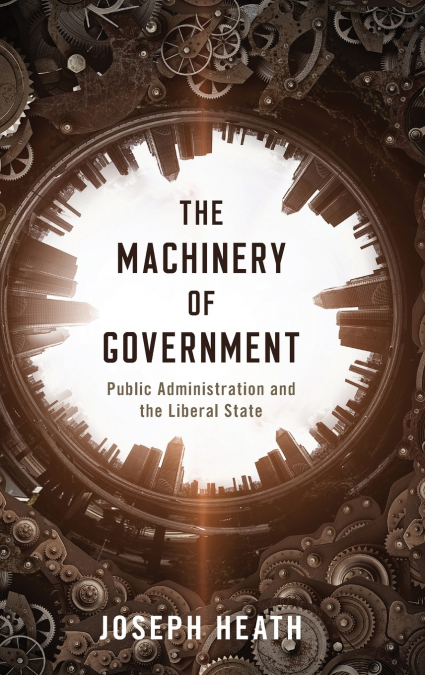
Machinery of Government

Machinery of Government

Joseph Heath

146,87 €
IVA incluido
Consulta disponibilidad
Editorial:
Oxford University Press
Año de edición:
2020
Materia
Ética y filosofía moral
ISBN:
9780197509616
Añadir a favoritos

In political theory, the traditional model of state power was that elected officials make policy decisions which are then faithfully executed by a lower cadre of public servants. The complexity of the modern state, however, leaves this model outdated. The vast number of economic and social problems it confronts is such that a great deal of rule-making power is now delegated to a class of civil servants. Yet many political philosophers have not taken this model up, and the field has ignored the important role played by the class of 'permanent' state officials--the 'deep state' as some call it--in liberal states. In most liberal democracies for example, the central bank is as independent as the supreme court, yet deals with a wide range of economic, social, and political issues. How do these public servants make these policy decisions? What normative principles inform their judgments? In The Machinery of Government, Joseph Heath attempts to answer these questions. He looks to the actual practice of public administration to see how normative questions are addressed. More broadly, he attempts to provide the outlines of a 'philosophy of the executive' by taking seriously the claim to political authority of the most neglected of the three branches of the state. Heath both provides a corrective to the prevailing tendency to underestimate the contribution of civil servants to the success of liberal-democratic welfare states, and suggests a more satisfactory account of the principles implicit in public administration.

Artículos relacionados

  • Ka Ab Ba Building The Lighted Temple
    Dr Terri R. Nelson / Dr Terri RNelson
    The book KaAbBa Building The Lighted Temple/Metaphysical Keys to the Tree of Life draws a circle that is inclusive of the Afrikan origin of the Ancient Kemetic/Egyptian wisdom. It reveals the undeniable root and link of Ancient Africa to all the religious systems that would develop worldwide. This book is explosive in its power to convey the meaning of KaAbBa, the Medu Neter  (...
    Disponible

    37,41 €

  • Technoethics and the Evolving Knowledge Society
    Rocci Luppicini
    Recently, there has been a major push to rediscover the ethical dimension of technology across the sciences, social sciences, and humanities. Technoethics and the Evolving Knowledge Society: Ethical Issues in Technological Design, Research, Development, and Innovation examines human processes and practices connected to technology embedded within social, political, and moral sph...
  • Kant
    Immanuel Kant
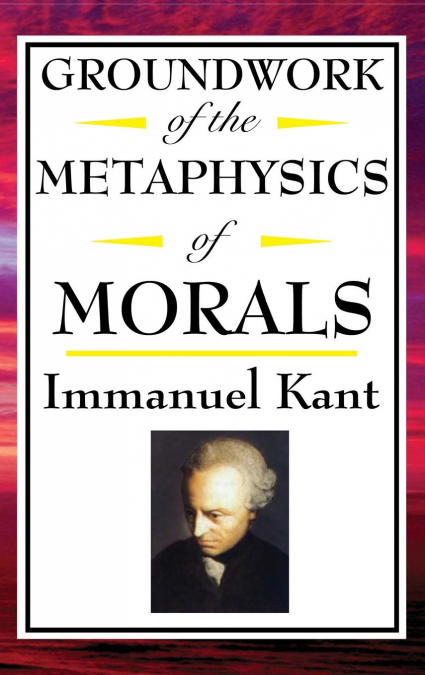
    Kant’s Groundwork of the Metaphysics of Morals is one of the most important works in modern moral philosophy. It belongs beside Plato, Aristotle, Machiavelli, and Hobbes. Here Kant sets out to articulate and defend the Categorical Imperative - the fundamental principle that underlies moral reasoning - and to lay the foundation for a comprehensive account of justice and human vi...
  • On the Duty of Civil Disobedience
    HENRY DAVID THOREAU
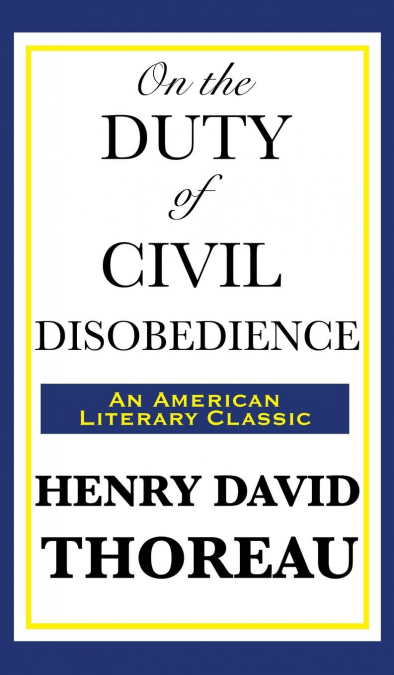
    Civil Disobedience argues that citizens should not permit their governments to overrule their consciences, and that they have a duty to avoid allowing their acquiescence to enable the government to make them the agents of injustice. Thoreau was motivated in part by his disgust with slavery and the Mexican-American War, but the sentiments he expresses here are just as pertinent ...
  • Beyond Good and Evil
    Friedrich Nietzsche
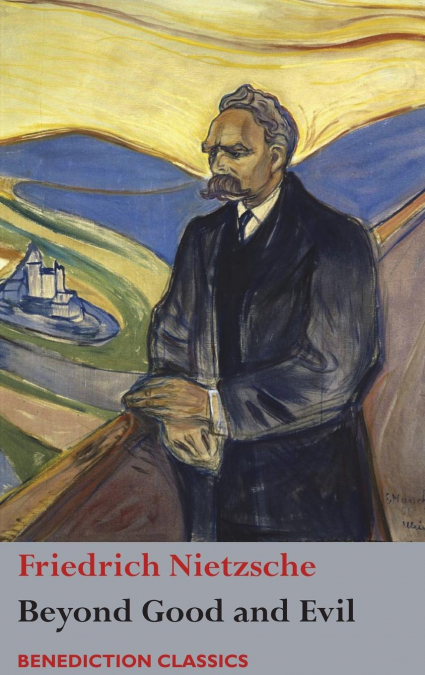
    Nietzsche, though primarily a philosopher, wrote widely on art, philology, history, religion, tragedy, culture, and science.  In 1886, at the height of his powers, he published Beyond Good and Evil.  Here he examines much of the best of human thought--dogmatic philosophy, Judeo-Christian morality, science and democracy – and finds it lacking.  Rejecting “slave-morality” he pres...
  • Beyond Good and Evil
    Friedrich Nietzsche
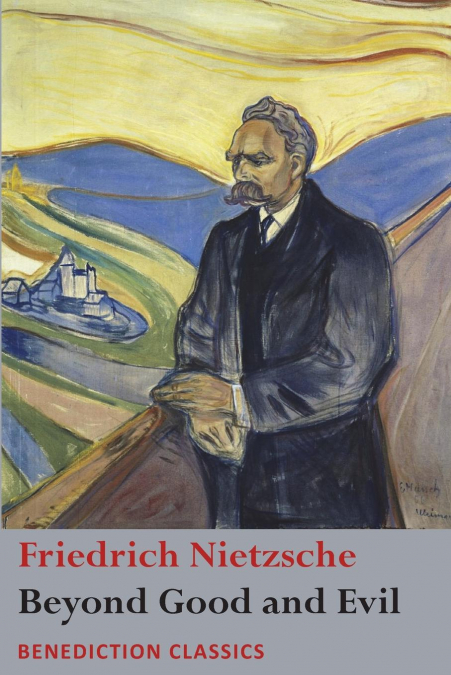
    Nietzsche, though primarily a philosopher, wrote widely on art, philology, history, religion, tragedy, culture, and science.  In 1886, at the height of his powers, he published Beyond Good and Evil.  Here he examines much of the best of human thought--dogmatic philosophy, Judeo-Christian morality, science and democracy – and finds it lacking.  Rejecting “slave-morality” he pres...
    Disponible

    9,99 €

Otros libros del autor

  • Ethics for Capitalists
    Joseph Heath
    Ethics for Capitalists offers a powerful new statement of the Market Failures Approach to business ethics. While the competitive context of the market economy provides economic actors greater freedom to pursue their interests, it also imposes moral constraints on the range of strategies they may employ. The pursuit of profit must be consistent with the overall objective of mark...
    Disponible

    23,86 €

  • Machinery of Government
    Joseph Heath
    In political theory, the traditional model of state power was that elected officials make policy decisions which are then faithfully executed by a lower cadre of public servants. The complexity of the modern state, however, leaves this model outdate. The vast number of economic and socialproblems it confronts is such that a great deal of rule-making power is now delegated to a ...
    Disponible

    46,31 €

  • Philosophical Foundations of Climate Change Policy
    Joseph Heath
    There is widespread agreement that something must be done to combat anthropogenic climate change. And yet what is the extent of our obligations? It would clearly be unjust for us to allow global warming to reach dangerous levels. But what is the nature of this injustice? Providing a plausible philosophical specification of the wrongness of our present inaction has proven surpri...
  • Morality, Competition, and the Firm
    Joseph Heath
    ...
    Disponible

    64,96 €

  • Following the Rules
    Joseph Heath
    ...
    Disponible

    75,46 €