Fazal Abubakkar Esaf
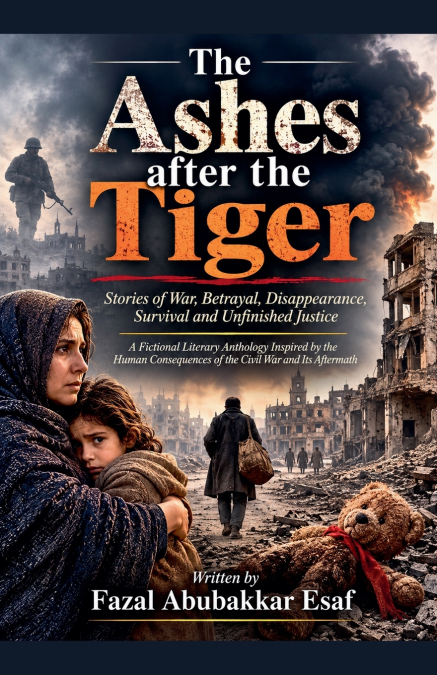
There are wars that end with surrender, ceasefires or declarations of victory. There are also wars that continue in the lives of people who have survived them.The civil war was one of the defining tragedies of the island’s modern history. For decades, armed conflict, political violence, displacement and profound social divisions affected communities across the country. Families continued searching for missing relatives. Survivors faced the difficult task of rebuilding homes and livelihoods. Former detainees and people associated with armed groups confronted suspicion and exclusion. Journalists, witnesses and human rights defenders faced threats. Communities carried memories of violence that could not be neatly divided into official accounts of victory and defeat.Behind the historical record are individual lives. A person who disappeared was someone’s son, daughter, husband, wife or friend. A destroyed business represented years of labor and the hopes of an entire family. A child killed during conflict was not a political symbol but a human being whose future was taken away. A survivor returning to an altered village did not necessarily find peace waiting at the end of the road.The Ashes after the Tiger emerged from a desire to explore these human realities through fiction.This is not a conventional war novel. It is an anthology of thirty interconnected stories, each examining a different dimension of life during and after conflict. The stories move through bereaved families, former prisoners, journalists, displaced communities, business owners, witnesses, officials, former fighters and a younger generation struggling to understand a history they did not personally experience.The central concern is not simply what happened during the war. It is what happened to people afterwards.