Anon
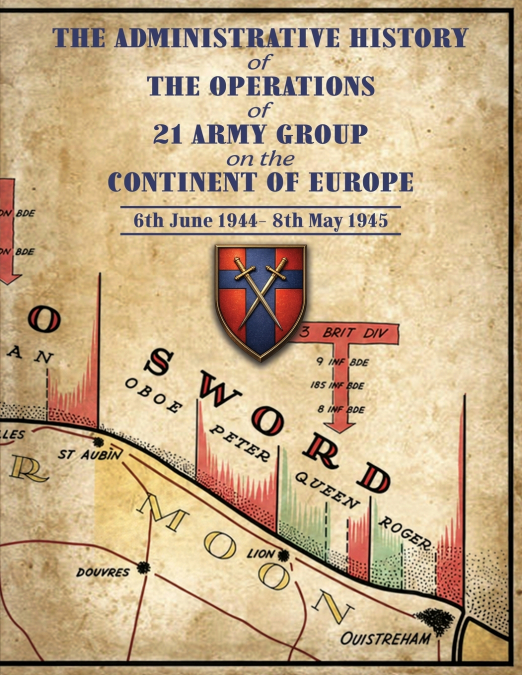
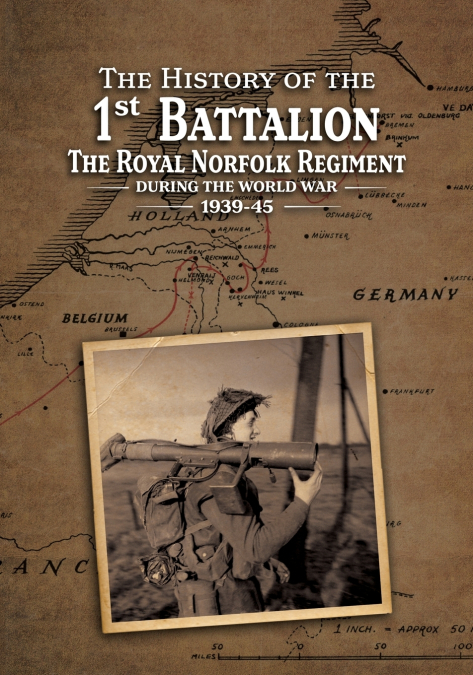
The 1st Battalion, Royal Norfolk Regiment, returned from India to Britain in July 1940 amid the Battle of Britain and later joined the 185th Infantry Brigade of the 3rd Infantry Division. Landing on Red Queen Beach, Sword Beach’s left flank, at 07:25 on D-Day, the battalion performed a flanking manoeuvre during the 1st Suffolk’s assault on the formidable Hillman Fortress, the Norfolk’s were ordered to make a wide detour around the left flank of the German stronghold to maintain momentum toward Caen, suffering 150 casualties. Prevented from joining the direct assault on Hillman, the 1st Norfolks bypassed the complex entirely and moved further south. They engaged and successfully captured another German strong point code-named Rover (centred around Bellevue Farm), which they subsequently renamed 'Norfolk House'. The battalion consolidated its lines and established its headquarters there for the remainder of D-Day.It subsequently distinguished itself throughout the Normandy and north-west Europe campaigns. On 6 August 1944, near Viessoix, Private Sidney Bates was posthumously awarded the Victoria Cross for exceptional gallantry against the 10th SS Panzer Division. Lieutenant General Miles Dempsey credited the battalion’s steadfast defence with enabling the Allied breakout from Normandy. By war’s end, Field Marshal Bernard Montgomery regarded the 1st Royal Norfolk’s as 'second to none' within 21st Army Group. In eleven months of near-continuous combat, the battalion lost 20 officers and 260 men killed, with over 1,000 wounded or missing.