Jeffrey L. Carrier
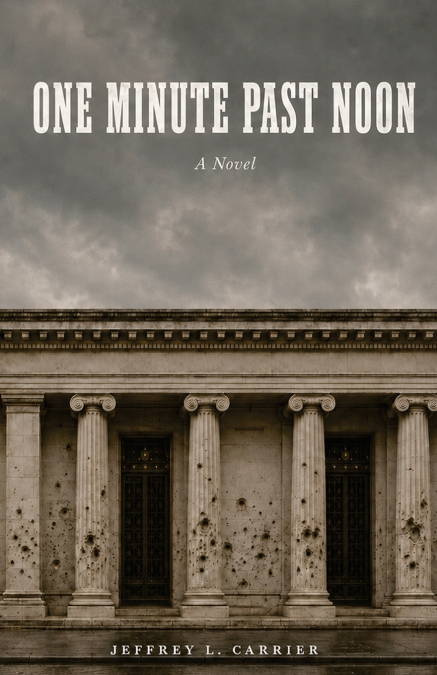
The 3200 block of River Road in East Camden is an ordinary working street in the most prosperous decade it will ever have. A shoe repair. A barber with a wooden horse for the children. A corner drugstore, a tailor at the far end, and a path across the back yards that everybody uses and nobody owns.Two thirds of this novel takes place before anything happens.That is the point. Every ordinary Tuesday in it is read twice at once: as what it is, and as what you already know it to be. A barber stropping a razor. A shoemaker who has just taken on four years of payments to widen his shop. A boy who has been given a bugle and told to leave it in the closet until his birthday. A woman who cuts through the gate in the fence because everybody cuts through the gate in the fence.On the morning of Tuesday, the sixth of September, 1949, thirteen people were killed on that pavement in about twelve minutes. Six of them were not from that block. They were passing through, or stopped at the light, or had come in to have a watch looked at.They are real. They are named here, with their own ages and their own trades, taken from the death certificates, the city directories and the newspapers of that week. Where the record is silent, this book is silent.And it is not about the man who killed them. He is named three times in sixty eight chapters and is never once given a thought of his own. What the book follows instead is the street, and the sixty years the people on it had to go on living afterward.