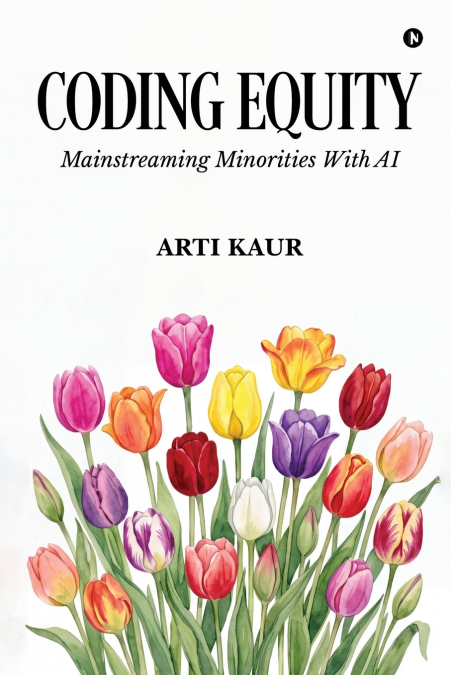
ARTI KAUR
Can a technology built to sort, predict, and remember uphold the constitutional promise that no citizen is diminished by their identity?In Coding Equity: Mainstreaming Minorities with AI, India’s 75-year constitutional journey confronts the automated future. From colonial separate electorates and Partition to the CAA, NPR, and NRC, Indian administrative history has repeatedly categorized citizens by religion. Today, these historical divisions risk being hard-coded into software. Within India’s Digital Public Infrastructure, biometric welfare authentication, facial-recognition policing, and algorithmic profiling threaten to automate bias through proxy discrimination, rigid classification, and self-reinforcing feedback loops. Combining legal rigour with investigative scholarship, Coding Equity examines these digital divides across the Christian-majority Northeast, Kashmir, religious minorities, and algorithmic conversion policing. Yet AI need not reproduce the past. Guided by constitutional principles, it can preserve syncretic manuscripts like Prince Dara Shikoh’s Majma-ul-Bahrain, empower linguistic minorities through Project Bhashini, and bridge legal divides. Pairing critical analysis with actionable reforms, the book proposes an AI Non-Discrimination Act for India, including a four-part statutory audit standard to transform non-binding principles into enforceable civil rights. Neither rejecting innovation nor endorsing unchecked surveillance, Coding Equity challenges lawyers, technologists, and citizens to consider a defining question: when algorithms determine our rights, will they see administrative categories or recognise the individual?