Nathan J. Whitlock
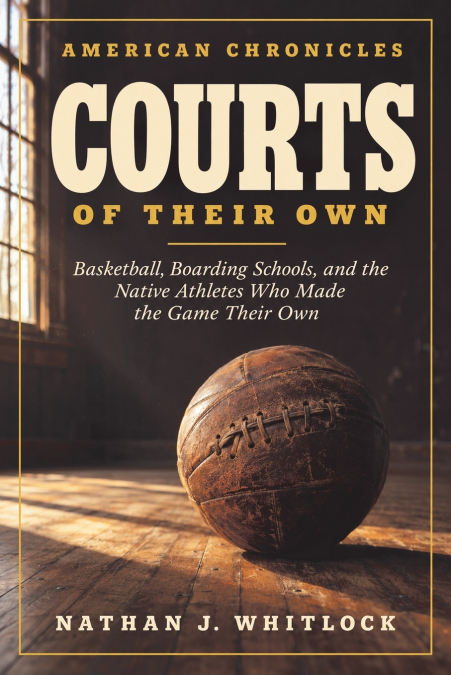
In the autumn of 1904, at the world’s fair in St. Louis, ten young Native women from a government boarding school in Montana beat the best players Missouri could assemble and went home as champions of the fair. They were Assiniboine, Gros Ventre, Shoshone, Blackfeet, Chippewa, Cree, and Métis, between fifteen and nineteen years old, and they had learned the game at a school built to separate them from their families and nations. Within two years a newspaper reported that the team had scattered. Within a generation, almost no one outside their families remembered them. This book tells their story from the published record, and then follows the game they helped make famous out of the boarding schools and into the heart of Native community life. It moves from the old army post on the Sun River where the girls first played, through the model school at the fair where they lived on display for five months, to the student-printed box scores of Chilocco, the Carlisle team that once listed Jim Thorpe at center, the barnstormers, the reservation town teams, and the all-Indian tournaments that grew up after the Second World War.