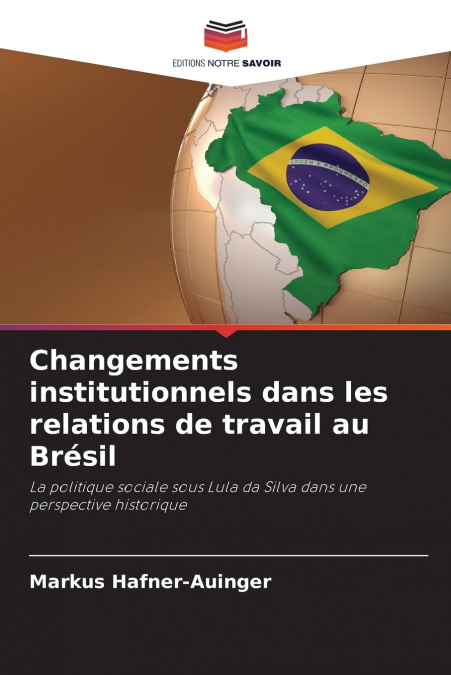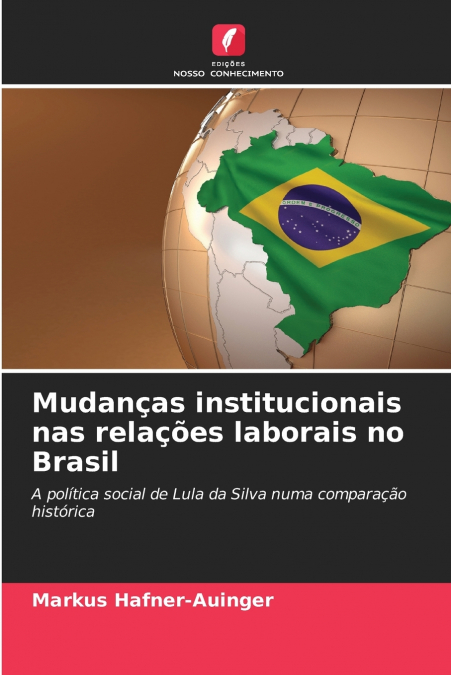
Markus Hafner-Auinger
Following Luiz Inácio ’Lula’ da Silva’s election victory in the Brazilian presidential elections in 2002, the Workers’ Party was widely recognised internationally as having great potential for social change. However, while the country’s economic and financial policy realignment did not take place for the time being, major changes were on the horizon in terms of social policy. Shortly after the historic election victory, a clear signal was sent that income conditions would be improved by combating hunger and extreme poverty. In the years that followed, this was supplemented by a consistent labour market policy aimed at improving working conditions and integrating large sections of the Brazilian population into the social system by formalising their employment relationships. This paper places these developments in their historical context and attempts to empirically determine how these changes have been reflected in a number of key categories of analysis.